
“Making life with Parkinson's disease a little bit easier. Top Daily living aids for people with Parkinson's disease and neurological disorders”.
Feb 16, 2026
Parkinson's disease is a progressive neurological condition characterised by motor and non-motor challenges, that can affect people differently and often worsen over time. Motor symptoms can include difficulty walking and mobilising including changes in gait patterns, shuffling and freezing and difficulty changing directions, problems with balance and a higher risk of falling, tremors and uncontrolled movements in the upper and lower limbs. Non-motor symptoms can include difficulty with memory and attention, a variety of sleeping problems and depression or anxiety.
In the early stages of Parkinsons disease and related conditions such as MSA or MS, life may continue as before and the best way to keep living well include daily exercise and focused mindset strategies to strengthen your body and approach to life. As the disease progresses however, some daily tasks may become really difficult, such as fine motor skills in tasks like dressing, eating, cooking and grooming. It may also become harder to get around such as getting in and out of a car or getting up out of the couch or rolling over in bed at night.
As Parkinson’s progresses, the goal is not just to “manage decline,” but to preserve independence, dignity, safety and participation for as long as possible.
Thoughtfully chosen adaptive equipment can reduce fatigue, prevent falls, compensate for tremor or rigidity, and support confidence in daily life. The right support at the right time often makes the difference between struggling and thriving.
Below are eight highly recommended adaptive options, commonly prescribed by Occupational Therapists for people living with Parkinson’s disease and related neurological conditions such as MS.
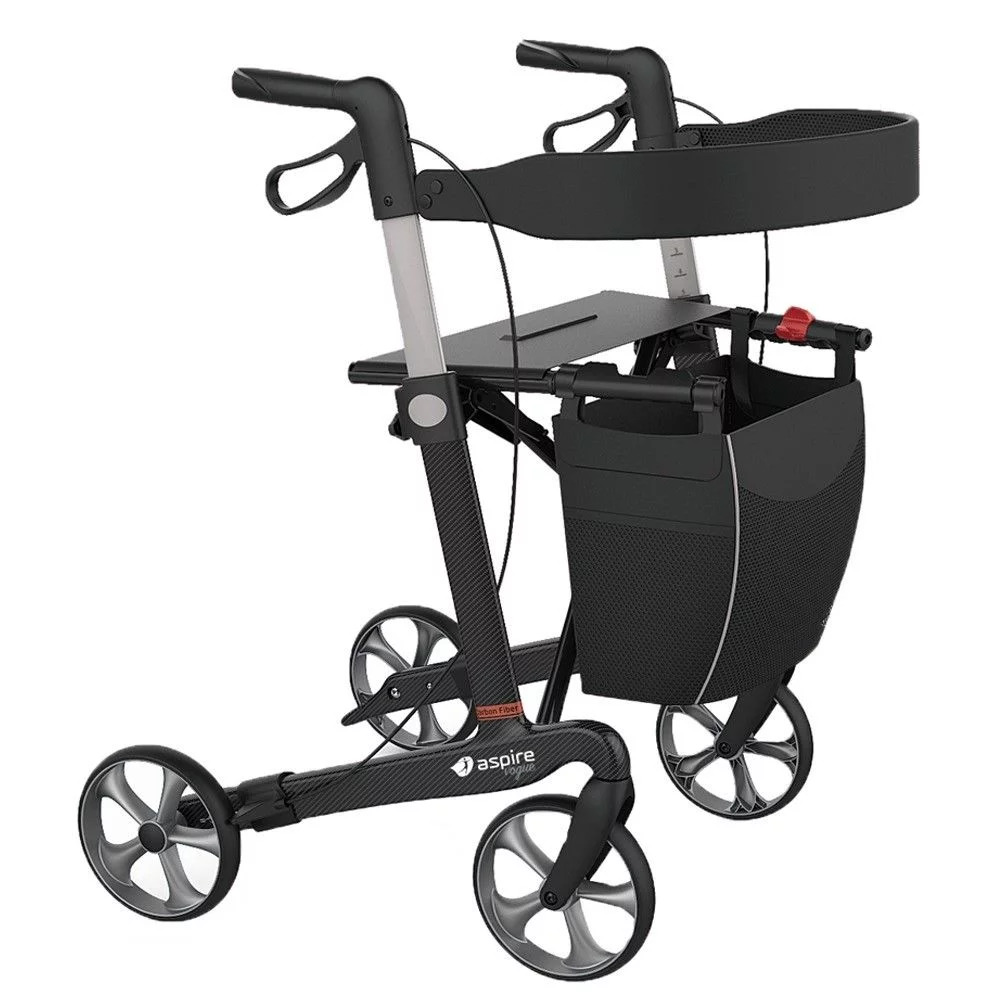
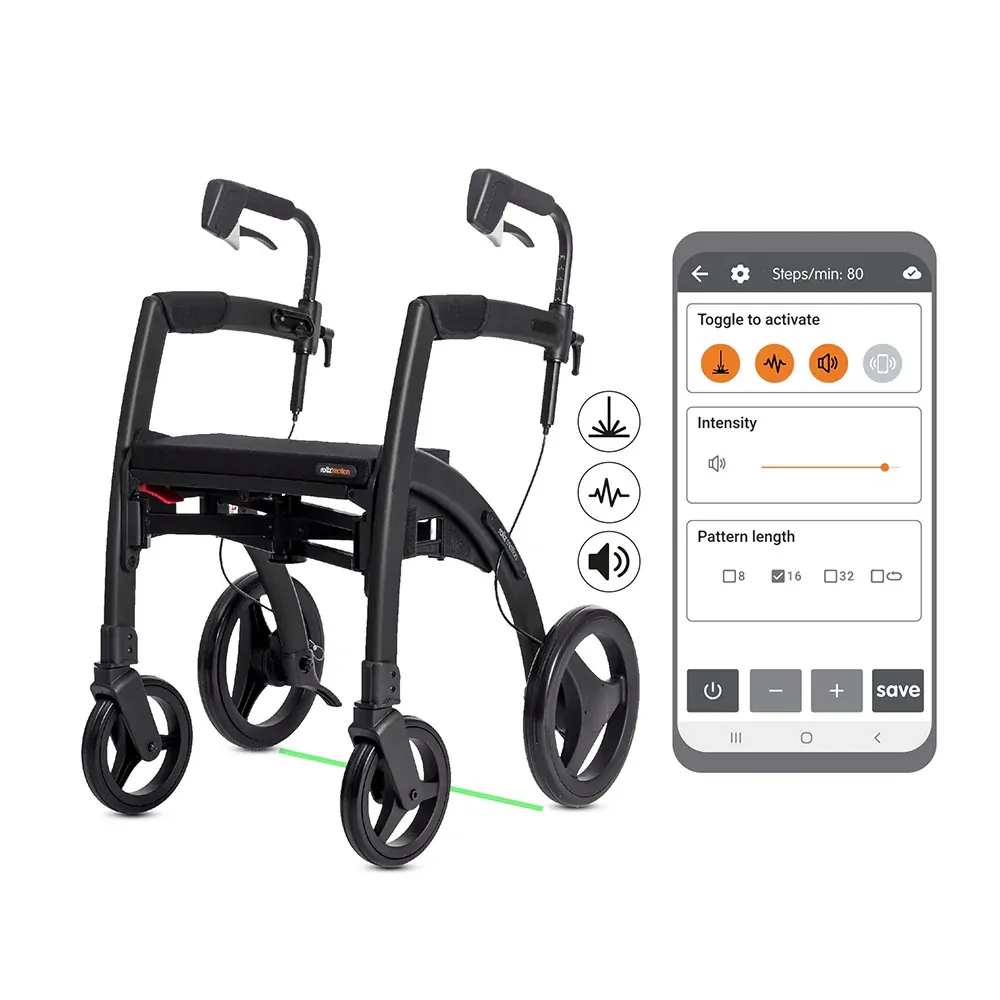
1. Four-Wheeled Walker (Rollator) – Aspire Vogue & Cueing Models


Purpose:
-
Improves balance and reduces falls risk
-
Provides stability during freezing episodes
-
Built-in seat allows rest breaks
-
Lightweight, manoeuvrable frames (e.g. Aspire Vogue & Vogue Ninja) support community mobility
-
Red light / laser cueing models project a visual line onto the floor to assist with freezing of gait
Visual cueing (such as a red laser line) can stimulate step initiation by providing an external target for the brain to respond to — often helping interrupt freezing episodes and improve stride length.
For individuals experiencing festination or freezing, a cueing rollator can be transformative.
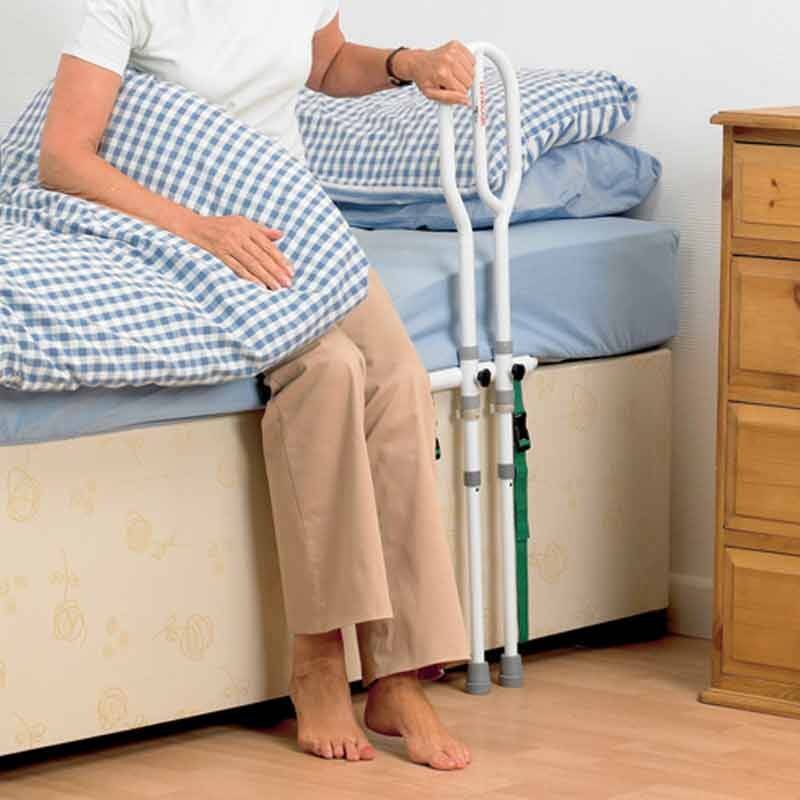
2. Bed Rail or Bed Assist Handle



Purpose:
-
Assists with rolling and repositioning
-
Supports sit-to-stand from bed
-
Reduces strain when rigidity makes movement difficult
-
Increases night-time safety
This simple addition can dramatically reduce effort and caregiver burden.
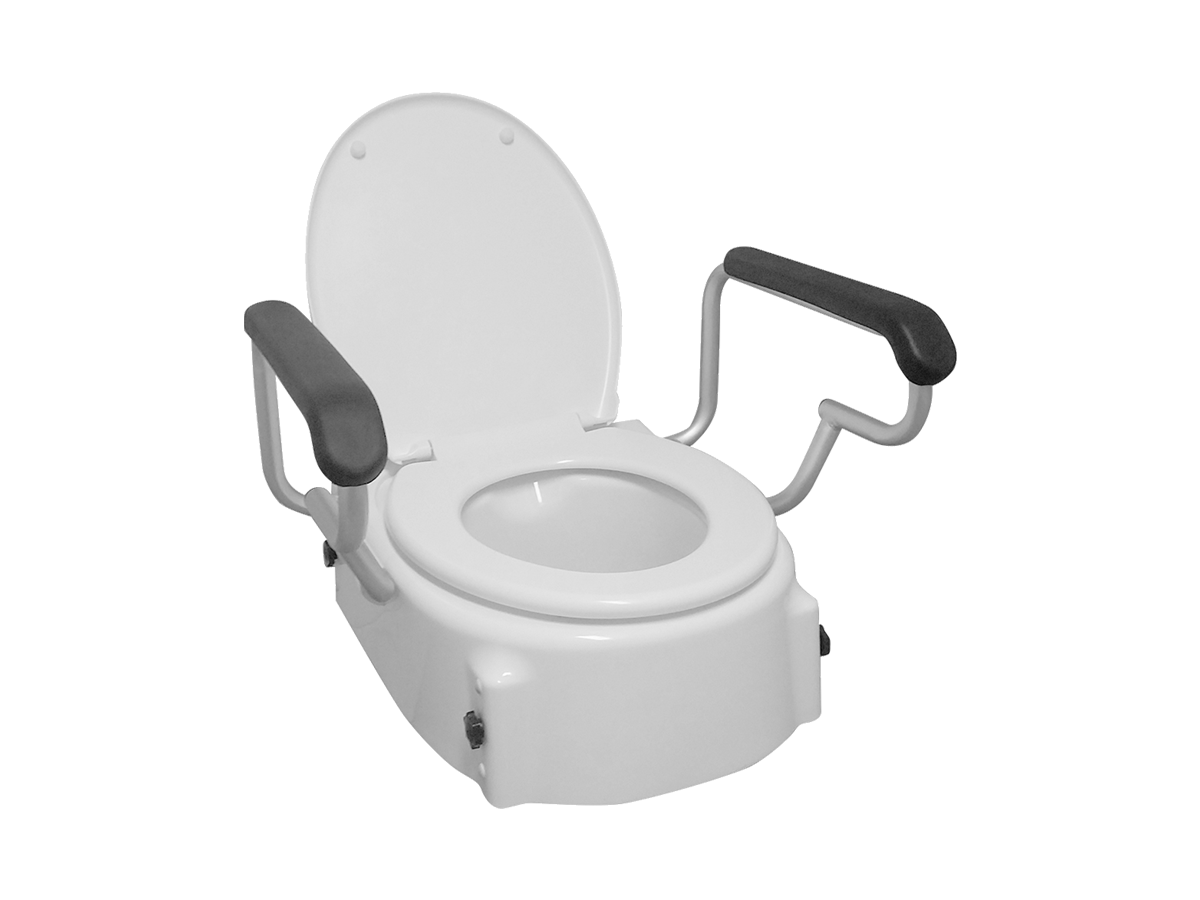
3. Raised Toilet Seat or Over-Toilet Frame


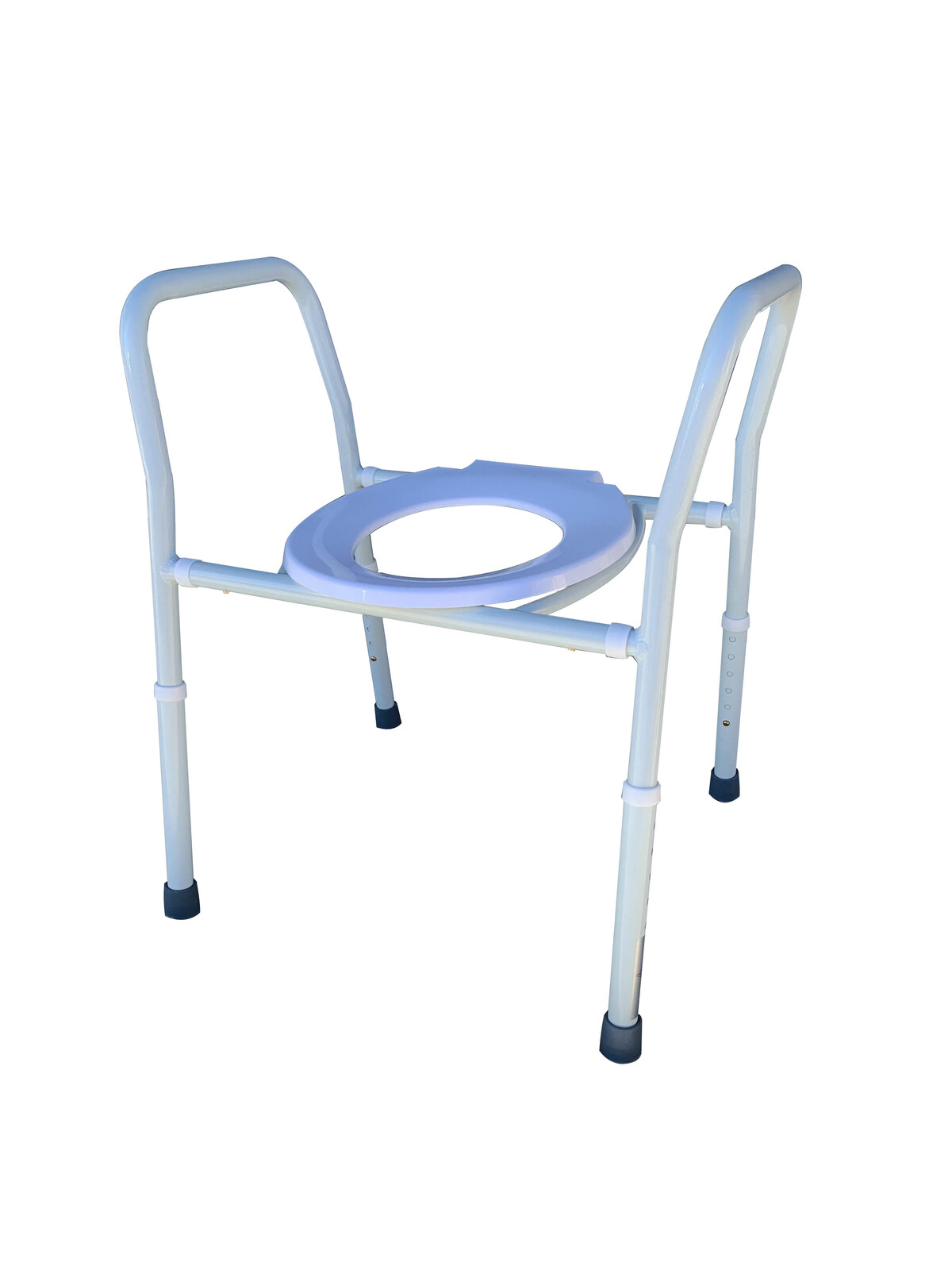
Purpose:
-
Makes standing and sitting easier
-
Reduces falls risk in the bathroom
-
Supports lower limb weakness or rigidity
-
Conserves energy
A simple raised toilet seat (without arms) may be sufficient in early stages. As strength declines, an over-toilet frame with arm supports may provide additional stability.
Bathroom safety remains one of the most critical fall-prevention priorities.
4. Shower Chair or Perching Stool
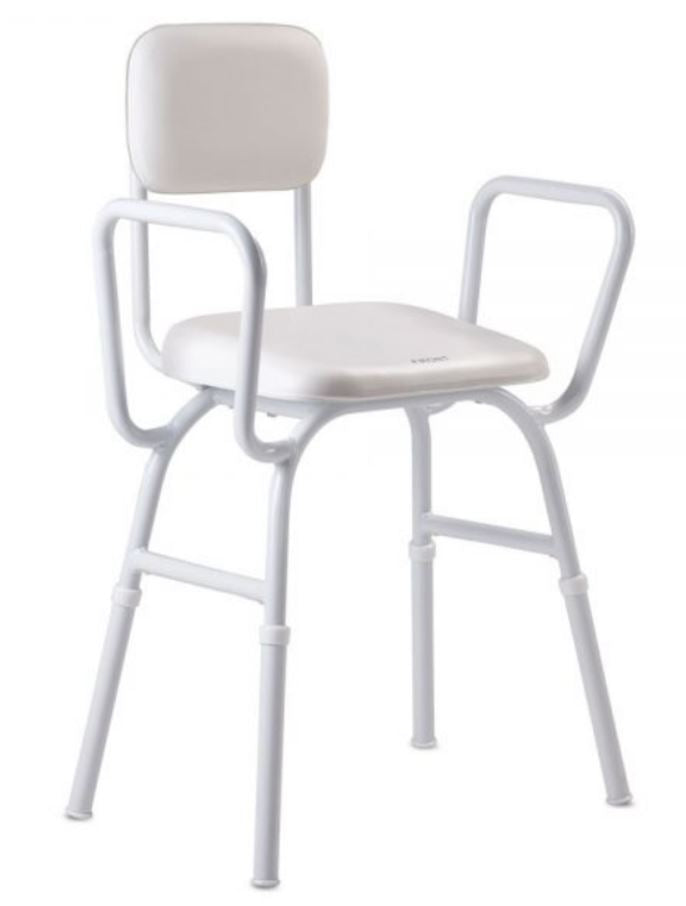


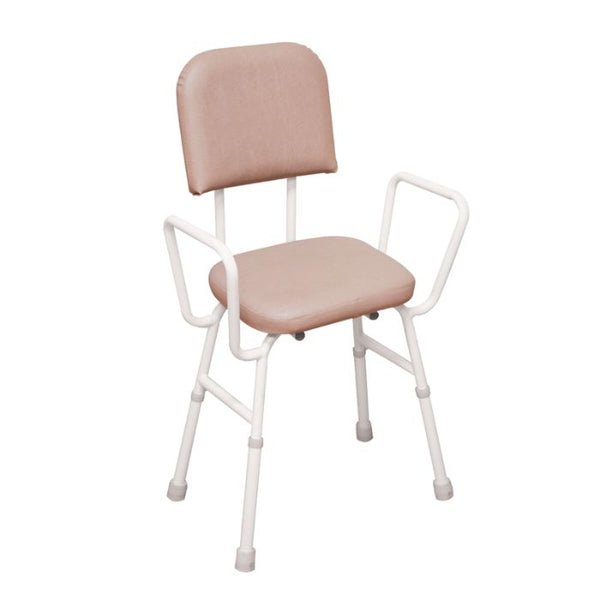
Purpose:
-
Reduces fatigue during showering
-
Prevents slips during balance changes
-
Allows seated grooming tasks
-
Supports safety during dizziness or freezing
A perching stool can also be used at the kitchen bench for meal preparation.
5. Adaptive Cutlery & Weighted Utensils

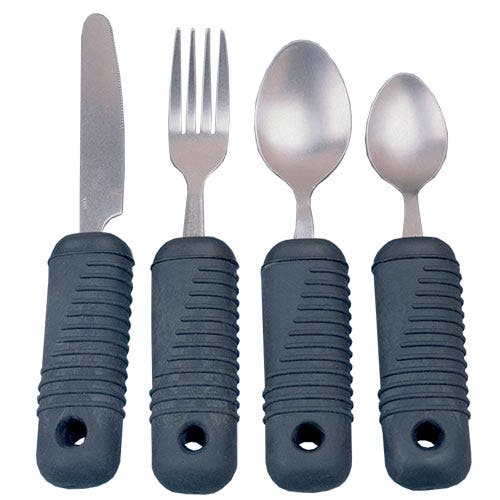
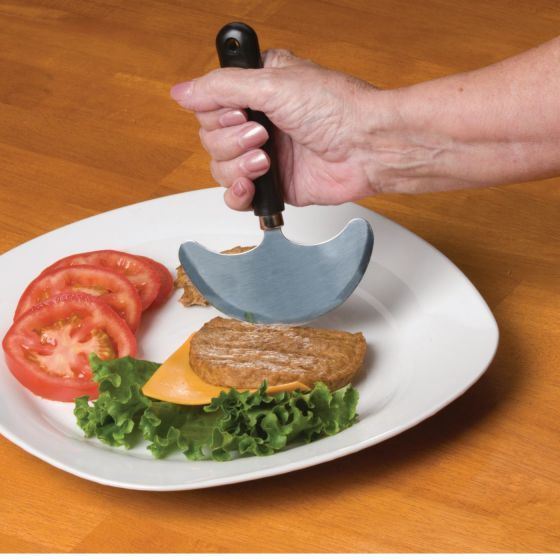

Purpose:
-
Reduces tremor impact
-
Improves grip for rigidity or weakness
-
Promotes independence in eating
-
Decreases frustration and food spillage
Small adaptations can restore dignity and autonomy at mealtimes.
6. Button Hooks & Dressing Aids

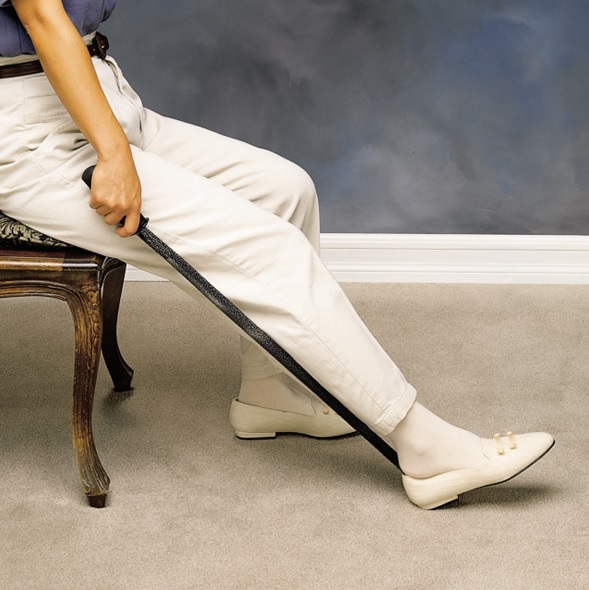


Purpose:
-
Assists with fine motor challenges
-
Supports independence with buttons and zips
-
Reduces bending strain
-
Makes dressing quicker and less exhausting
Especially helpful as bradykinesia and rigidity increase.
7. Car Transfer Aids (Swivel Cushion or Handy Bar)
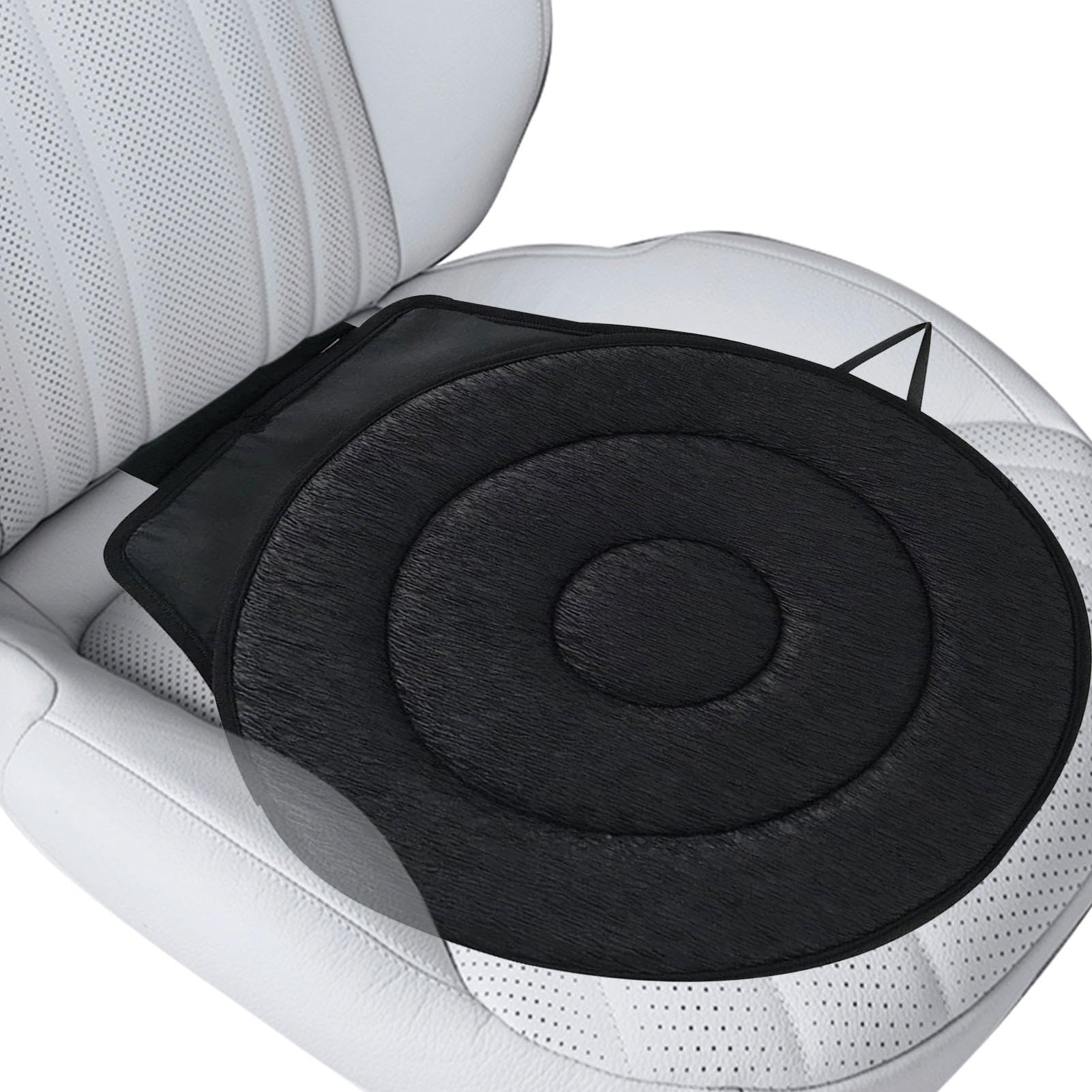
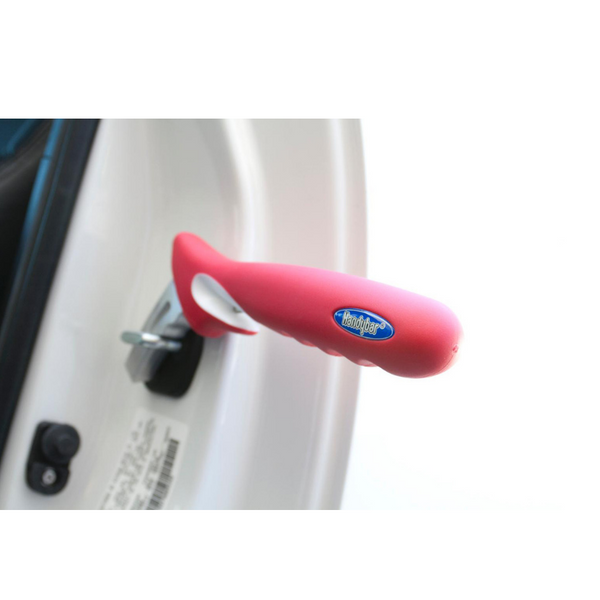


Purpose:
-
Supports safe pivoting into and out of the car
-
Reduces twisting strain
-
Provides leverage for sit-to-stand
-
Preserves driving independence longer
Protecting car access can significantly maintain community participation.
8. Environmental Modifications (Lighting, Contrast & Clutter Reduction)


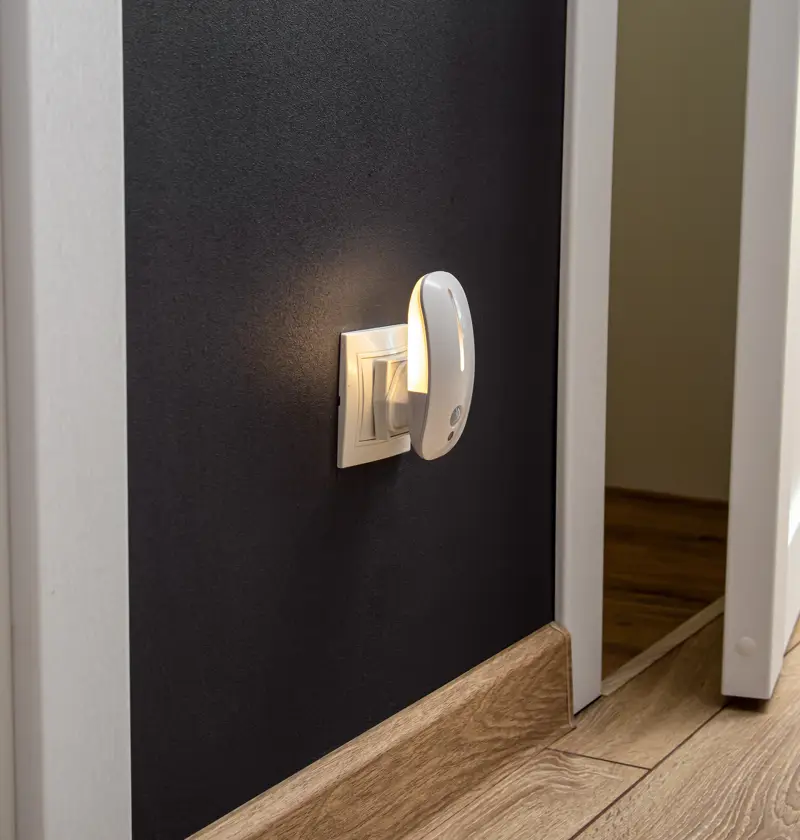
Purpose:
-
Improves visual cueing for freezing
-
Enhances depth perception
-
Reduces trip hazards
-
Supports safe indoor navigation
Sometimes the most powerful “equipment” is adjusting the environment itself.
A Holistic Perspective
Adaptive equipment is not about giving up — it is about working with the nervous system and the body as they are today.
In Parkinson’s disease, motor output is affected by changes in dopamine pathways within the basal ganglia. When we combine:
-
Evidence-based movement (such as targeted yoga and neuroplasticity-informed exercise),
-
Nervous system regulation strategies,
-
Environmental adaptations,
-
And practical equipment support,
we create a comprehensive plan that addresses both safety and quality of life.
The key is timing. Introducing supports early — rather than waiting until crisis or repeated falls — can preserve confidence and prevent injury.
If you or someone you support is living with Parkinson’s disease, an Occupational Therapy assessment can identify which of these tools will best support independence, energy conservation and participation in meaningful occupations.
Because ultimately, the goal is not just to move —
but to live well, safely and with dignity.
Sarita also includes training for OTs in how to integrate Yoga Therapy for Neurological conditions in her "NeuroFlow Yoga" online professional development course.
https://www.sunshineotandyoga.com.au/joinus-bd088e5a-1590-4b7d-84b6-986d1e643d05
Want more of this?
Do you need more of this for your wellbeing journey, or do you want to learn more?
If this feels like something that would benefit you and you would like to work with Sarita in therapy sessions, Please send in a "Make a referral" Form.
If you would love to integrate more tools and strategies like fascia release and nervous system regulation into your therapy practice with your clients, Please reach out and contact me or check out the Embodied OT Program.
Contact Sarita
If you would like to make an enquiry and contact Sarita, please use the form below or email [email protected]
We hate SPAM. We will never sell your information, for any reason.
